Engaging children in meaningful activities at home is essential for their overall growth and development. With the right activities, young minds can flourish in a nurturing environment. These activities not only keep them occupied but also enhance their cognitive, emotional, and physical development. It is important to create a diverse set of activities to stimulate different aspects of a child’s brain. This article explores some of the best activities for young children that can be easily implemented at home.
1. How Can Art and Crafts Enhance a Child’s Development?
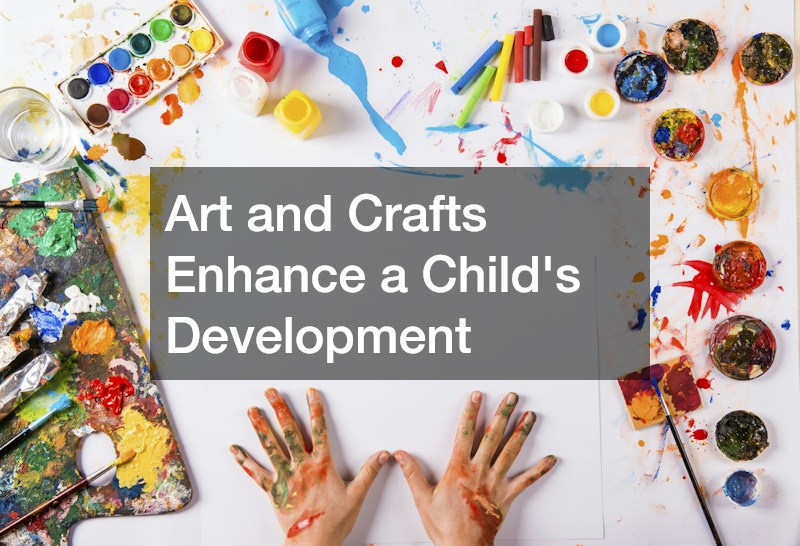
Art and craft activities are a fantastic way to boost creativity in children. They offer a platform for young ones to express themselves and develop fine motor skills.
By participating in arts and crafts, children learn to think critically and solve problems creatively. It also enhances their coordination and concentration as they stay focused on intricate tasks. Interestingly, children who regularly engage in creative activities tend to have better academic outcomes.
These activities can be as simple as drawing or as complex as constructing models from recycled materials. When children are allowed to explore freely, it encourages curiosity and eagerness to learn. Art and craft also play a significant role in cultural understanding as children learn about colors, patterns, and traditional crafts from around the world. Parents can incorporate a variety of materials such as clay, paper, or fabric to pique the child’s interest. Creating a designated craft space at home can further motivate children to engage in these activities consistently.
Moreover, collaborating on art projects teaches vital social skills, including sharing and patience. When children work together, they learn to respect different perspectives and develop empathy. Art and craft also provide an opportunity for parents and children to bond, fostering a nurturing environment. By dedicating time to these activities, parents can support their child’s emotional well-being. Encouragement and praise from an adult can significantly boost a child’s confidence and self-esteem.
2. What Educational Games Can Support Learning at Home?
Educational games offer a unique blend of fun and learning, making them an excellent tool for child development at home. Such games are designed to enhance a child’s cognitive skills, including memory, problem-solving, and critical thinking. They often cover various subjects, such as math, science, or language, providing a holistic educational experience. For instance, games like puzzles or board games can significantly improve a child’s strategic thinking and attention to detail. These games are also effective in reinforcing concepts learned in school.
Digital educational games offer interactive and engaging experiences that cater to modern tech-savvy children. With many educational apps available, children can learn concepts at their own pace while being entertained. It is crucial for parents to monitor screen time while ensuring that the content is age-appropriate. Balancing screen-based games with offline activities can prevent digital fatigue. Furthermore, incorporating rewards within these games can increase motivation and encourage continuous engagement.
Social interaction is fostered by taking part in multiplayer or group educational games. Children learn valuable communication and cooperation skills as they play with peers or siblings. Parents can also join in, using these games as a bonding experience while reinforcing educational objectives. Educational games are not only about winning but also about learning to accept losses gracefully. Overall, these games instill a positive attitude towards learning and study habits in young children.
3. How to Incorporate Physical Activity into Daily Routine?
Physical activity is crucial for a child’s growth and development and should be an integral part of their daily routine. Activities can range from simple indoor exercises like jumping jacks to structured games like tag. Regular physical activities help improve muscular strength, coordination, and cardiovascular health. Engaging in physical play allows children to burn energy constructively, leading to better concentration and mood. Fun physical activities reduce the risk of childhood obesity and instill a lifelong appreciation for fitness.
Parents play a key role in motivating children to stay active by participating in activities themselves. By setting a good example, adults can create a habit of regular exercise for their children to follow. Organizing family walks, bike rides, or even dance sessions can make physical exercise a fun and anticipated activity. It is essential to tailor physical activities to suit the child’s interests and developmental stage. Outdoor play also provides a breath of fresh air and exposure to natural environments, which is valuable for mental well-being.
The benefits of physical activity go beyond physical health, influencing academic performance as well. Studies human development suggests that active children are more likely to exhibit improved behaviors and better attention spans in school. Additionally, participating in team sports or group physical activities can boost social skills. Children learn teamwork, leadership, and fair play through these engagements. Encouraging a variety of physical activities ensures children stay excited and committed to maintaining an active lifestyle.
4. How Can Reading and Storytelling Be Made Engaging for Children?
Reading and storytelling form the cornerstone of language development in children. These activities nurture imagination and build literacy skills from an early age. Choosing colorful and engaging books captures a child’s interest and enhances comprehension. Storytelling sessions can be interactive, with children encouraged to predict outcomes or create alternate story endings. Furthermore, diverse reading materials expose children to different cultures and ideas, broadening their understanding of the world.
To make reading more engaging, parents can incorporate methods such as character voices or animated expressions. Creating a comfortable reading nook at home can make reading time a calming and enjoyable experience. By asking questions and discussing story morals, children can develop critical thinking skills. Reading together allows parents to connect with their children and understand their thoughts and feelings. Establishing a routine that includes daily reading can significantly impact a child’s capacity to learn and grow.
Storytelling is equally powerful in enhancing communication skills and creativity. Parents can encourage children to narrate stories about their day or invent characters and plots. This practice supports language articulation and enriches vocabulary. Storytelling can be a collaborative activity, with family members contributing to ongoing tales. Such creative exercises foster imagination and confidence, necessary traits for academic and personal success.
5. What Role Does Cooking Play in Child Development?
Cooking introduces children to essential life skills while also serving as a practical educational activity. Involving children in cooking encourages math skills through measuring and counting ingredients. It also promotes understanding of nutrition and healthy eating habits from a young age. Cooking can be a multisensory experience, involving touch, taste, smell, and sight, thereby enhancing sensory abilities. Children enjoy the sense of accomplishment that comes with creating food, boosting their self-confidence.
Cooking together can be an excellent opportunity for family bonding and teamwork. Parents can assign age-appropriate tasks to children, teaching responsibility and independence. Discussing recipes and cooking techniques can improve communication skills and introduce new vocabulary. It is a perfect chance to educate children about cultural cuisines and cooking traditions. By involving children in meal planning, they learn about decision-making and creative innovations in the kitchen.
The trust and responsibility given to children during cooking activities enhance their problem-solving skills. If a child encounters a mishap, they learn to adapt and find solutions, promoting resilience. Cooking also teaches patience as children wait for their culinary creations to complete. Parents can use cooking as an educational parallel by discussing science behind baking reactions or why some foods rise. These activities not only nurture a child’s growth but also prepare them for future independence.
Incorporating a diverse range of activities at home contributes to the wholesome development of young children. These activities support mental, physical, and emotional growth, equipping children with various life skills. Art and craft enhance creativity, educational games promote cognitive skills, while physical activities ensure fitness and well-being. Reading boosts literacy, and cooking instills essential life and practical skills. With balanced activities, parents can foster a nurturing home environment conducive to a child’s overall development.